
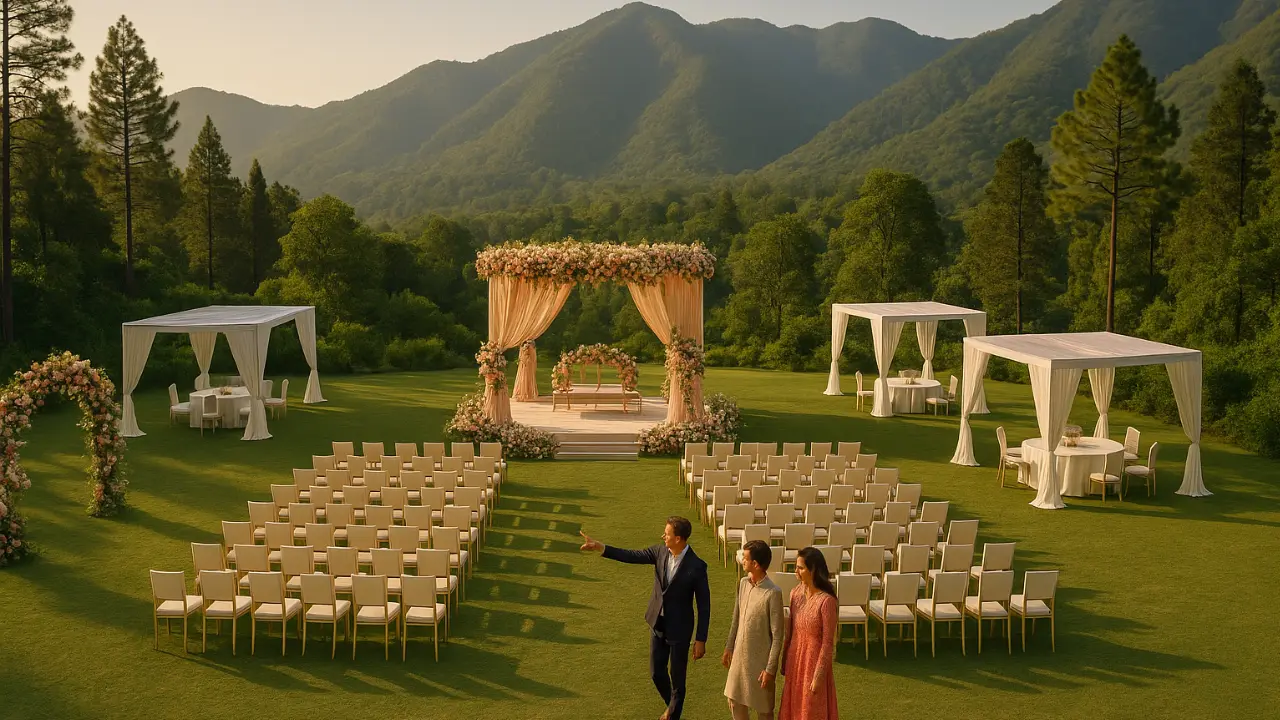
Planning a destination wedding in the hills sounds romantic until you’re coordinating vendor arrivals on winding mountain roads, managing last-minute weather changes, or navigating local permissions for a riverside ceremony in Rishikesh. The reality is that hill-station weddings require more than just picking a pretty venue, they need someone who understands the terrain, the logistics, and the intimate details that make micro-luxury celebrations seamless. As a wedding planner in Dehradun with years of experience orchestrating events across Uttarakhand, we’ve learned that smaller, elevated weddings demand precision, personalization, and deep local expertise. In this guide, we’ll walk you through what micro-luxury really means, why location-specific planning matters, and how DWP approaches destination weddings in Mussoorie, Rishikesh, and beyond.
What is a Micro-Luxury Wedding?
Micro-luxury weddings prioritize quality over quantity. Instead of 500 guests and grand ballrooms, couples opt for 50–150 carefully curated attendees, intimate venues, and elevated experiences at every touchpoint.
This approach focuses on:
Personalized guest experiences – From welcome kits featuring local Uttarakhand products to customized meal menus that reflect family recipes, every detail is intentional.
High-quality vendors – Professional photographers who understand mountain lighting, decorators who work with natural hillside aesthetics, and caterers experienced in outdoor setups.
Meaningful rituals – Smaller gatherings allow for proper phera ceremonies, haldi rituals by a riverside in Rishikesh, or mehendi sessions overlooking Mussoorie valleys without feeling rushed.
Logistical ease – Fewer guests mean smoother transportation, better accommodation management, and more flexibility with venue choices.
In our experience planning weddings across Uttarakhand, couples choosing micro-luxury want their celebration to feel like a weekend retreat, not a production. They value genuine connection over spectacle.
Why Choosing the Right Wedding Planner in Uttarakhand Matters
Not all wedding planners operate the same way, especially when destination weddings involve hill stations. Here’s what changes when you move celebrations from metro cities to places like Dehradun, Mussoorie, or Rishikesh:
Local Permissions and Venue Regulations
Outdoor ceremonies along the Ganges in Rishikesh require permissions from local authorities. Heritage properties in Mussoorie have strict décor guidelines. Beach-style setups near Tehri Lake need environmental clearances. A wedding planner in Uttarakhand who regularly works in these locations already knows which permissions to apply for, how long approvals take, and which venues allow what setups.
Weather-Responsive Planning
Mountain weather shifts quickly. We’ve managed sudden rain during outdoor mehendi ceremonies, adjusted timelines when fog delayed vendor trucks, and set up backup heating for winter evening receptions. Seasonal planning in Mussoorie and Rishikesh isn’t optional, it’s essential.
Vendor Coordination Across Cities
Your Delhi-based decorator might struggle with Mussoorie’s narrow lanes. Your caterer needs to factor in altitude when cooking. Photographers require different lighting setups for riverside versus hillside ceremonies. Coordinating multi-city vendor teams means knowing who can realistically execute in these terrains and who will face logistical challenges.
Guest Movement and Accommodation
Managing guest flow between Dehradun airport, hotels in Mussoorie, and a ceremony venue near Rishikesh involves route planning, vehicle coordination, and buffer time for mountain roads. Clients often ask us about ideal check-in timings, whether to book properties close together, and how to handle elderly family members during transit, questions that only come from hands-on experience.
How DWP Plans Micro-Luxury Weddings in Mussoorie & Rishikesh
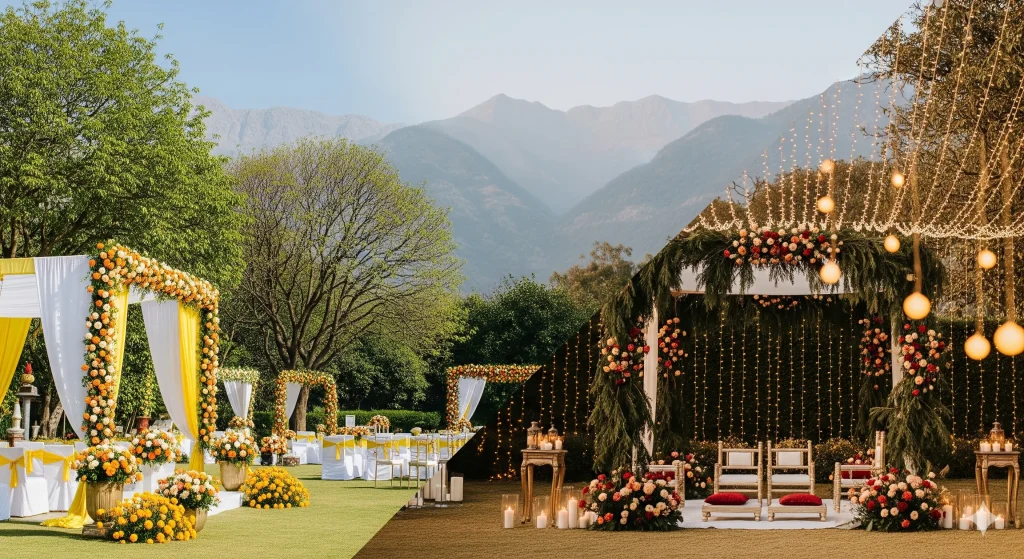
Our planning process is built around three pillars: locality, personalization, and seamless execution.
Understanding Client Vision Through Detailed Consultations
We start by asking the right questions. Do you want a traditional ceremony or a contemporary celebration? Are you comfortable with outdoor setups, or do you prefer indoor venues with backup options? What’s non-negotiable for you, décor, food quality, photography coverage, guest comfort?
From there, we map out a realistic timeline. For a typical three-day wedding (mehendi, ceremony, reception), we commonly plan 60–90 days ahead to secure the best vendors and venues.
Venue Selection Based on Guest Count and Logistics
Micro-luxury weddings work best in venues that feel exclusive without being oversized. In Mussoorie, we often recommend boutique heritage properties with 30–50 rooms, allowing all guests to stay on-site. In Rishikesh, riverside resorts with private ghats offer stunning ceremony settings while keeping guest movement minimal.
We also consider practical factors, parking availability, kitchen capacity for customized menus, power backup for décor lighting, and proximity to local markets in case vendors need last-minute supplies.
Vendor Curation and On-Ground Coordination
Every wedding involves a core team: pandits for rituals, decorators for setup, caterers for meals, photographers for coverage, and sometimes entertainers for sangeet nights. As a wedding planner in Dehradun, we maintain long-term relationships with vendors who understand hill-station logistics.
On the wedding day, our team manages:
- Vendor arrival schedules and setup timelines
- Real-time adjustments (weather changes, timing shifts, guest delays)
- Coordination between families, priests, and technical teams
- Post-event teardown and vendor payments
This allows couples and families to stay present instead of troubleshooting.
Managing Multi-Day Wedding Flow
A well-planned destination wedding in Rishikesh or Mussoorie flows like a weekend getaway, not a relay race. We build in buffer time between events, ensure guest meals are scheduled properly, and plan lighter activities for elderly attendees.
For example, if your mehendi ceremony ends at 6 PM, we avoid scheduling the sangeet at 7:30 PM. Guests need time to rest, change, and settle in. Similarly, we coordinate breakfast timings with checkout schedules for guests leaving early after the reception.
Who This Planning Approach Works Best For
Micro-luxury planning isn’t for everyone, and that’s perfectly fine. This approach suits couples and families who:
Value quality guest experiences – You’d rather have 100 well-hosted guests than 400 who feel like attendees at a large event.
Want meaningful traditions without chaos – Smaller setups allow for unhurried pheras, proper pandit guidance, and family participation in rituals.
Appreciate local culture and surroundings – Uttarakhand offers stunning natural backdrops. Couples choosing Mussoorie or Rishikesh usually want their wedding to reflect that environment, not replicate a city ballroom.
Prefer professional coordination over DIY planning – Destination weddings involve moving parts. If you’re based in Mumbai but planning a wedding in Dehradun, you need someone locally present to handle execution.
Seek flexibility and personalization – Micro-luxury weddings adapt to your preferences, whether that’s a private ghat ceremony in Rishikesh, a forest-themed décor setup in Mussoirie, or fusion menus combining North Indian and regional Garhwali cuisine.
What Sets DWP Apart as a Wedding Planner in Dehradun
We don’t claim to be the only option, there are other capable planners in the region. What we offer is consistent, ground-level execution backed by years of experience working specifically in Uttarakhand’s hill stations.
Local Presence and Regional Knowledge
We operate out of Dehradun, which means we’re not flying in for site visits or coordinating vendors remotely. Our team knows which properties in Mussooire have reliable power backup, which caterers handle altitude cooking well, and which routes to avoid during monsoon season.
Transparent Planning and Realistic Timelines
Clients often ask if a 30-day timeline is enough to plan a destination wedding. The honest answer? It depends. For smaller gatherings with flexible vendor choices, yes. For larger weddings with specific décor themes and custom menus, we recommend 60–90 days. We’d rather set realistic expectations than overpromise and scramble.
Hands-On Execution, Not Just Coordination
Our team stays on-ground throughout the event, not just during ceremonies, but from vendor setup to post-reception cleanup. If a decorator’s truck breaks down on the way to Mussoorie, we arrange backups. If a pandit gets delayed due to traffic, we adjust the ceremony start time and inform guests properly.
This level of involvement comes from working in these locations regularly, not occasionally.
Frequently Asked Questions
What is the best time to plan a destination wedding in Rishikesh or Mussoorie?
The ideal months are October to March for pleasant weather and clear skies. April and May can work but expect warmer temperatures, especially in lower-altitude areas like Rishikesh. Monsoon season (July–September) is generally avoided due to unpredictable rain and road conditions, though some couples prefer the lush greenery and lower venue rates.
How far in advance should I book a wedding planner in Dehradun?
For micro-luxury weddings with 50–150 guests, we recommend booking 60–90 days ahead. This allows time to secure preferred venues, curate the right vendor team, and plan logistics without rushing. If you’re planning during peak wedding season (November–February), earlier booking helps ensure availability.
What makes micro-luxury weddings different from traditional large weddings?
Micro-luxury weddings focus on elevated guest experiences rather than guest count. Instead of 500 attendees, you host 50–150 people with higher-quality food, personalized décor, intimate venues, and more attention to detail. This approach works well for destination weddings in Uttarakhand where logistics and guest comfort are easier to manage with smaller groups.
Do you handle vendor payments and on-ground coordination during the wedding?
Yes. We manage vendor arrivals, setup timelines, real-time adjustments, and post-event coordination. Our team stays on-site throughout the celebration to handle logistics, allowing families to focus on rituals and guests. Vendor payments are typically settled post-wedding based on agreed terms.
Can you plan weddings for NRI families or out-of-city couples?
Absolutely. Many of our clients are based in metros or abroad and prefer working with a local wedding planner in Uttarakhand who can handle ground realities. We conduct virtual consultations, share venue options through detailed presentations, and manage everything locally so families don’t need to make multiple trips before the wedding.
What permissions are needed for outdoor or riverside ceremonies in Rishikesh?
Riverside ceremonies along the Ganges often require permissions from local authorities, especially if you’re setting up near public ghats or protected zones. We handle these applications as part of our planning process and ensure all clearances are in place before the event. The timeline for approvals typically takes 2–4 weeks, depending on the location and season.
Conclusion
Choosing the right wedding planner in Dehradun for your micro-luxury celebration comes down to local expertise, transparent communication, and hands-on execution. Destination weddings in Mussoorie, Rishikesh, and Uttarakhand aren’t just about beautiful backdrops, they require understanding mountain logistics, managing multi-day guest flow, coordinating vendors across terrains, and planning for weather realities.
At DWP, we focus on creating celebrations that feel personal, seamless, and rooted in the landscapes you’ve chosen. Whether you’re planning an intimate ghat ceremony in Rishikesh or a heritage property celebration in Mussooire, our approach is built around clarity, professionalism, and real-world experience.
If this planning style aligns with your vision, we’d be happy to discuss how we can support your celebration. Reach out when you’re ready to explore options.