
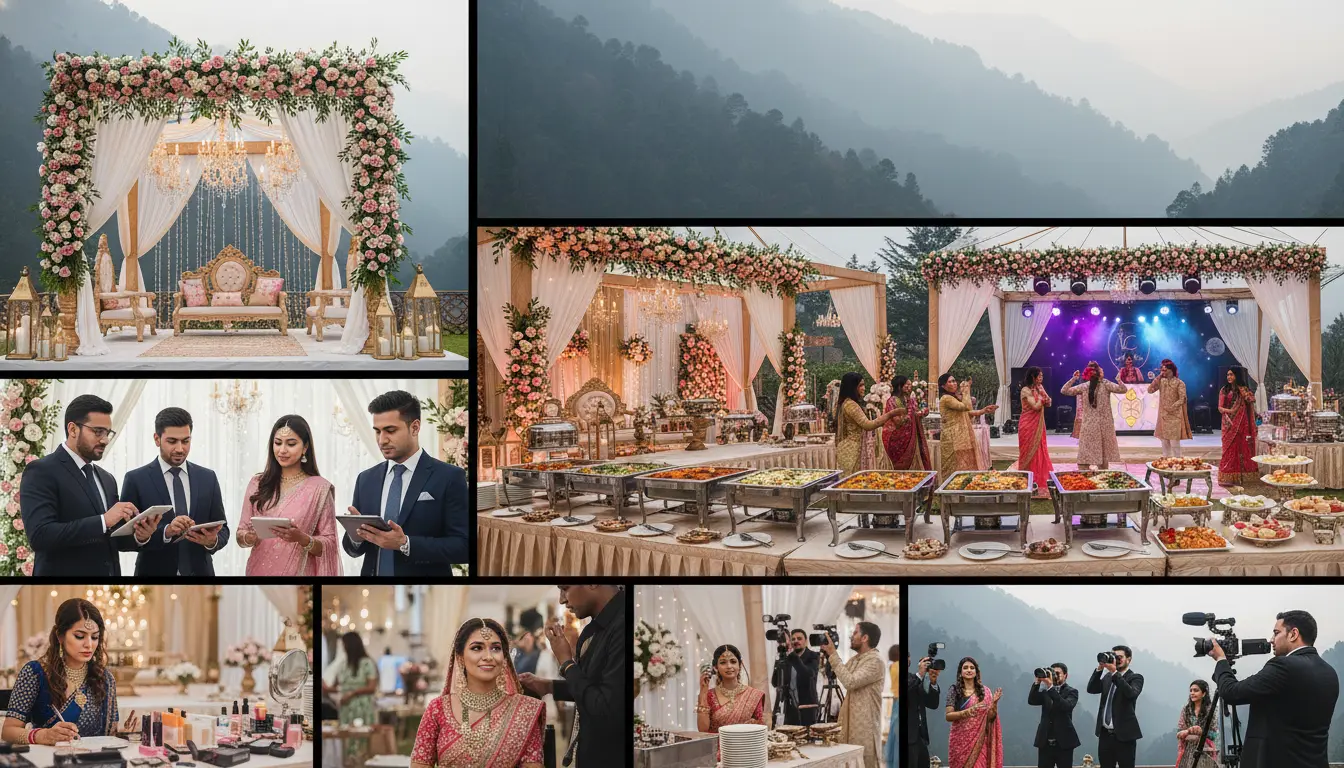
When couples start planning a wedding, most of their attention goes toward venues, decor, and photography. Hospitality often ends up at the bottom of the list, even though it quietly shapes how every guest remembers the celebration. Working with experienced Wedding Planners in Dehradun has taught us that a wedding’s success is measured less by how beautiful the setup looks and more by how comfortable, cared for, and well managed the guests feel from arrival to departure. In our experience managing destination weddings across Uttarakhand, hospitality is the thread that connects every other element of the event. This is why guest experience has become a defining standard at Dehradun Wedding Planners (DWP), and why hospitality, not just aesthetics, has earned recognition for some of the highest service standards in the wedding industry.
Why Hospitality Matters More Than Most Couples Realize
Most couples plan their wedding around what they will see in photographs. Guests, on the other hand, remember how they were treated. A late airport pickup, a confusing check-in process, or a missed meal preference can overshadow even the most elegant decor.
Clients frequently tell us that guest comfort becomes one of their biggest priorities once relatives start arriving from different cities. Elderly family members need easier mobility, out-of-town guests need clear directions, and children need supervision during long event days. First impressions at check-in often set the tone for the entire wedding weekend, and families tend to judge the success of an event by how smoothly their guests were looked after rather than by the floral arrangements alone.
This is one reason experienced Wedding Planners in Dehradun place guest hospitality on equal footing with design and entertainment, not as an afterthought handled at the last minute.
What Defines High Hospitality Standards in the Wedding Industry
High hospitality standards are built on a combination of planning and presence. They include accommodation management that matches guest preferences and budgets, on-ground assistance for arrivals and departures, transportation planning between venues and hotels, food coordination that accounts for dietary needs, and clear, consistent communication so guests always know the schedule.
Why are hospitality standards important in weddings?
Hospitality standards directly affect how comfortable and valued guests feel throughout the wedding. Smooth check-ins, reliable transport, clear communication, and attentive support reduce confusion and stress for families and travelers. When these details are handled well, guests can focus on celebrating rather than managing logistics themselves.
How DWP Maintains Exceptional Hospitality Standards
We typically coordinate guest movement, accommodation, and event timelines simultaneously rather than treating them as separate tasks. This starts well before the wedding date with pre-event planning that maps out every guest’s travel schedule, room allocation, and meal preferences.
A dedicated coordination team is assigned to manage guest queries during the event itself, so no family member is left waiting for answers. Vendor management runs alongside this, ensuring caterers, transport providers, and venue staff are aligned with the same guest list and timing expectations. Guest support systems, including a point of contact reachable throughout the wedding days, help resolve small issues before they become noticeable disruptions. This layered approach is part of why DWP is recognised among Wedding Planners in Dehradun for consistency rather than one-off success.
Managing Destination Wedding Guests Across Uttarakhand
Destination weddings bring an added layer of complexity because guests are unfamiliar with the region. Travel coordination becomes essential, particularly when families are arriving from Delhi NCR or flying in from abroad for an NRI wedding.
In Dehradun, this often means organizing airport and railway station transfers along with managing hotel check-ins for large guest groups arriving at different times. In Mussoorie, hill station logistics require careful timing because narrow roads and elevation changes can affect travel duration, especially during the evening. In Rishikesh, riverside venues call for additional coordination around guest safety and accessibility, particularly for older relatives.
Multi-venue movement across these locations needs a clear transport plan, often with designated vehicles and timing buffers built in. Emergency support, whether it is a medical need, a missed connection, or a sudden weather shift common in hill station wedding management, is planned for in advance rather than handled reactively. One common challenge couples often underestimate is how quickly plans can change in the hills, which is why weather contingency planning is built into every Uttarakhand wedding itinerary we manage.
The Behind-the-Scenes Work Guests Never See
Guests usually experience a wedding as a series of smooth, well-timed moments, without seeing the coordination required to make that happen. Timeline management runs constantly in the background, adjusting for delays, vendor changes, or last-minute guest requests.
Backup planning is built into nearly every element, from alternate indoor spaces during unexpected rain to backup transport vehicles in case of breakdowns. Vendor supervision ensures that caterers, decorators, and sound teams are not just present but performing on schedule. Guest issue resolution, whether it is a room mix-up or a dietary concern raised at the last minute, is handled quietly and quickly so it never reaches the couple or their families. This invisible layer of work is often what separates a wedding that runs smoothly from one that feels chaotic.
Why Couples Trust DWP for Destination Wedding Hospitality

Trust in destination wedding hospitality management is built over repeated execution, not a single event. Our experience coordinating weddings across Dehradun, Mussoorie, and Rishikesh has given us local expertise in everything from venue access routes to seasonal weather patterns that affect outdoor ceremonies.
A established vendor network across the region means transport, catering, and accommodation partners are already familiar with our coordination standards, which reduces friction during the actual event. Operational efficiency, built through years of managing multi-day destination wedding execution, allows our team to anticipate problems rather than simply react to them. For Delhi NCR clients and NRI families planning a wedding in Uttarakhand, this combination of experience and local groundwork is often the deciding factor in choosing Wedding Planners in Dehradun who can manage hospitality at scale.
Frequently Asked Questions
What does wedding hospitality management include?
Wedding hospitality management covers guest accommodation, transportation, food coordination, and on-ground assistance throughout the event. It also includes communication systems that keep guests informed about schedules and venue changes. The goal is to make sure every guest feels looked after without needing to manage logistics themselves.
Why is guest experience important during a wedding?
Guest experience shapes how families remember a wedding long after the decor is taken down. Comfortable travel, clear information, and attentive support reduce stress for guests, particularly elderly relatives and those traveling from out of town. A positive guest experience also reflects directly on the hosting family.
Can Wedding Planners in Dehradun manage destination wedding guests?
Yes, experienced Wedding Planners in Dehradun routinely manage guest logistics for destination weddings across Uttarakhand. This includes coordinating travel, accommodation, and on-site support across multiple venues in Dehradun, Mussoorie, and Rishikesh. Local familiarity with the region makes this coordination more efficient.
How does DWP coordinate guest accommodation?
DWP maps out room allocations and hotel preferences well in advance based on family groupings and budget requirements. Coordination teams manage check-ins directly with hotel staff to minimize wait times for arriving guests. Any last-minute changes are handled through a dedicated point of contact during the event.
What challenges arise in destination wedding hospitality?
Common challenges include unfamiliar terrain for guests, weather changes in hill station locations, and coordinating arrivals that span several days. Multi-venue events also require careful transport scheduling to avoid delays. Planning for these challenges in advance helps prevent them from affecting the guest experience.
How do wedding planners handle guest transportation and logistics?
Wedding planners typically arrange dedicated vehicles for airport or station transfers and between-venue movement. Timing buffers are built in to account for hill road conditions or traffic, especially in locations like Mussoorie. A coordination team usually stays on call to manage any transportation issues as they arise.
Conclusion
Hospitality standards quietly determine how a wedding is remembered, often more than the decor or entertainment that gets the most attention during planning. Comfortable guests, smooth transportation, and clear communication allow families to focus on celebrating rather than managing logistics. This is the experience-driven approach that has shaped how DWP operates across Dehradun, Mussoorie, and Rishikesh, built through years of hands-on destination wedding execution rather than guesswork. For couples and families planning a wedding in Uttarakhand, working with Wedding Planners in Dehradun who treat hospitality as a core responsibility, not an afterthought, makes a measurable difference in how the entire event unfolds.